
Project Blue Pushes Ahead Despite Community Rejection: What This Fight Reveals About Power and Democracy
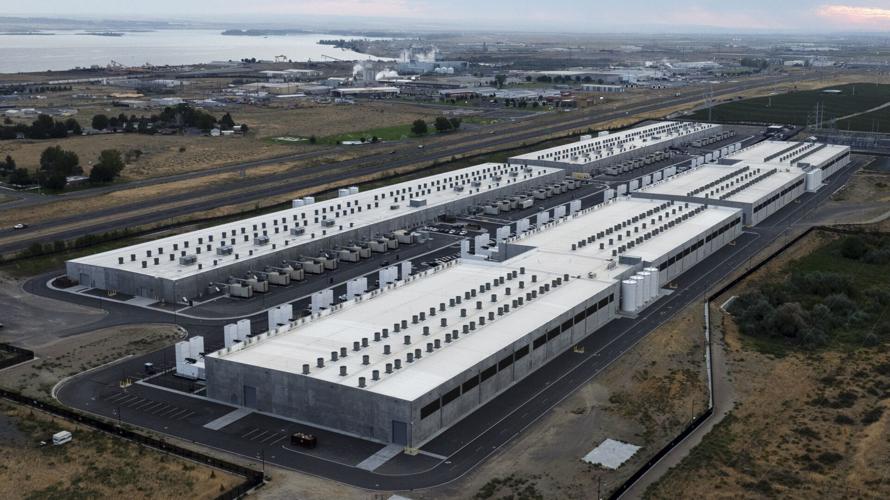
Despite months of public pushback, packed hearings, and a unanimous rejection by the Tucson City Council, the massive Project Blue data center (which is linked to Amazon Web Services) is still moving forward. This issue began as a debate over water, but it now demonstrates how much power local communities truly have when billion-dollar companies set their sights on their resources.
Arizona v. Beale Infrastructure
Beale Infrastructure, the developer behind Project Blue, originally wanted to take control of nearly 300 acres of county land in Tucson to gain access to municipal water. The project would have consumed hundreds of millions of gallons per year, which is ridiculous considering Tucson is one of the fastest-warming and driest regions in our country. So, after weeks of organizing, petitions, and emotional testimonies from residents, the City Council voted unanimously to reject Beale Infrastructure’s move to take over Tucson land. People celebrated, and for a brief moment—it seemed like the people power had won.
But, this victory was short-lived.
Within weeks, Beale Infrastructure filed a request with the Arizona Corporation Commission to secure ten years of energy from Tucson Electric Power. The move completely sidestepped local water restrictions and locked in a power supply for this project that the community had already rejected. County officials were blindsided. Supervisor Andrés Cano described it clearly: “Make no mistake—this filing is designed to bypass our community’s will.”
Beale Infrastructure is now insisting that Project Blue will use a “closed-loop, low-water cooling system” that consumes no water from community consumers. At first glance, this seems like a concession. But, it really just raises new questions: What water will the facility be using for other needs? How will the energy needed, considering it is expected to be more than the consumption of every household in Pima County combined, be provided without raising electricity prices for Tucsonans? The company might promise “no negative impact” on existing customers, but why should they be trusted?
At a packed Board of Supervisors meeting on October 21, 2025, more than 300 residents filled each seat, even spilling into the hallways, displaying signs like “No Means No,” “Protect Our Desert,” and “Not One Drop for Data.” The meeting stretched on for hours as speakers continuously rejected the project’s secrecy, its environmental costs, and the Board’s refusal to reverse its construction. Some even said they’d been having nightmares about the future of Tucson’s water, while others warned the supervisors that any support for Project Blue would bring “electoral consequences.”
Corporate out-of-state developers v. the people of Tucson
This is much more than just a local zoning dispute. This is working to set an example about who gets to decide how Arizona’s limited resources are used. In a city that has worked so hard on local water conservation, it is horrific that an out-of-state developer can just swoop in, buy land, and start building a facility that will strain the energy and water systems of the people and ecosystems that already exist there. It’s a reminder of how little leverage communities have when land deals and corporate incentives are negotiated behind closed doors.
County attorneys say that there may be few legal options left to stop Project Blue. The land sale was approved months ago, and without evidence of fraud, the contract will not be reconsidered. Supervisor Jen Allen, who was one of the two votes against the project, told organizers that she refuses to give up, saying “moving forward with Project Blue would be a greater cost than the risk of a lawsuit.” In this case, the legal system and true justice are not on the same page.
This controversy reveals a deep tension between local democracy and corporations. Beale Infrastructure claims to be listening to feedback, but its actions tell another story entirely. So, for the residents of Tucson, this fight is now a refusal to let private technology giants dictate their lives in a desert that is already stretched thin.
As of right now, Project Blue’s future is uncertain, but it’s clear that Tucson’s citizens are not backing down. They’ve filled city halls, written letters, shown up, and refused to be silenced. This is about the right of a community to say “no” and have that “no” actually mean something.